A global initiative to capture the first simultaneous snapshot of public health through wastewater, launching March 2027.
Welcome to Global Wastewater Day
A global initiative to capture the first simultaneous snapshot of public health through wastewater.
On one coordinated day, countries worldwide will collect wastewater samples, providing unprecedented insight into global health, antimicrobial resistance, and environmental trends.
Held annually, Global Wastewater Day will build a long-term international observatory to track human and environmental health, provide training, strengthen collaboration, and advance wastewater-based epidemiology (WBE).

Our Work
Global Wastewater Day is an international initiative bringing together researchers, public health organisations, wastewater utilities, and policymakers to harness the power of wastewater-based epidemiology.
The initiative aims to transform wastewater data into actionable intelligence that supports disease surveillance, environmental protection, scientific discovery, and pandemic preparedness.
By collecting and analysing wastewater samples using a standardised global approach, the programme generates valuable insights into public health, environmental conditions, antimicrobial resistance, emerging pathogens, and other population-level indicators.
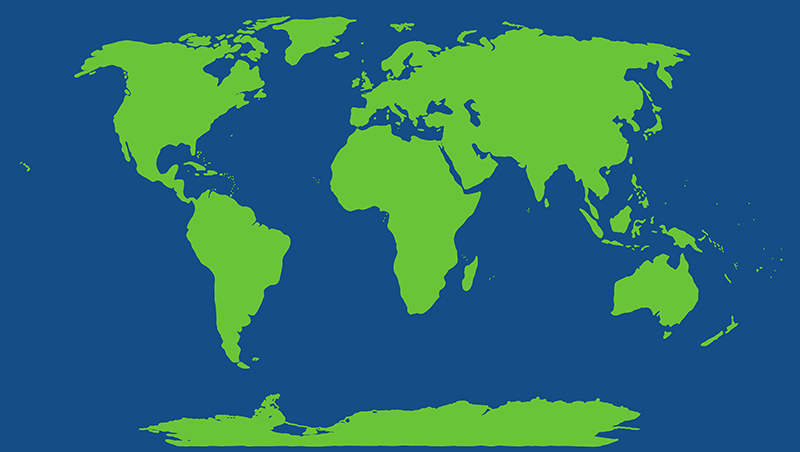
Global Wastewater Day on 31st March 2027 is the opportunity to collect wastewater samples from across the globe for the first time. The long-term goal is to build a planetary health observatory: a worldwide network that uses wastewater data to track public and environmental health on a global scale.