
By Dr Jordan E Sealey, Postdoctoral Research Officer In Antibiotic Resistance, Bangor University
As World AMR Awareness Week takes place from 18–24 November, attention turns to the important role that wastewater surveillance can play in understanding antimicrobial resistance (AMR).
AMR is one of the major global health challenges of our time. It occurs when microorganisms, including bacteria, viruses and fungi, become resistant to medicines used to treat infections. As a result, infections can become increasingly difficult to treat, posing risks to human and animal health.
But what does wastewater have to do with AMR?
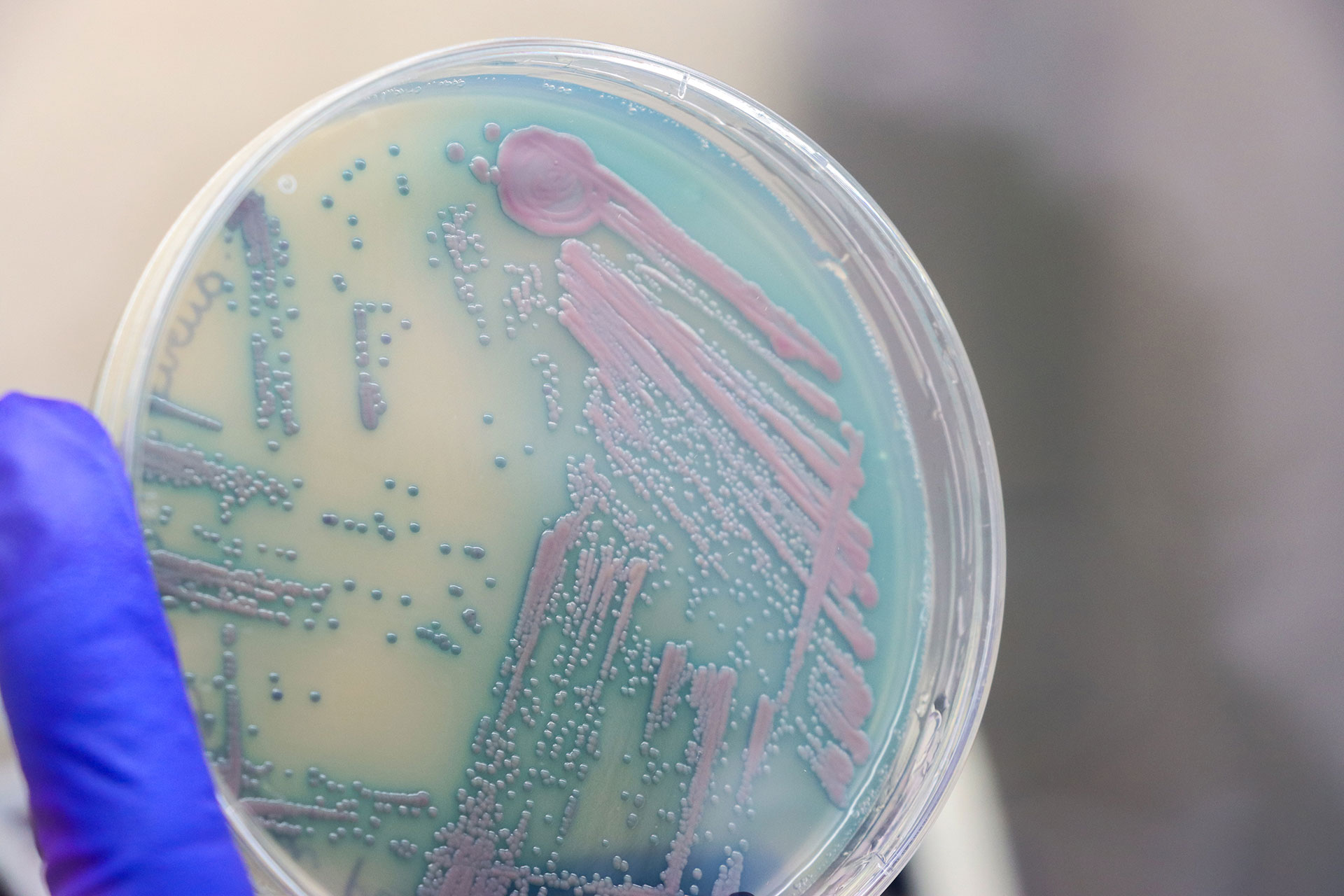
Well, wastewater contains a lot of information about the communities it serves. Using a wastewater sample, scientists can detect bacteria and resistance genes (genes that enable bacteria to resist certain medicines), which helps us understand what is present within a population and how this may change over time.
Traditionally, much of our understanding of AMR comes from samples collected from individual patients seeking medical care. Wastewater-based epidemiology (WBE) offers an additional perspective, providing information about a population as a whole, including people who may not be unwell or seeking medical attention. This provides a broader picture, complementing the information gathered through conventional clinical surveillance.
This is particularly relevant when considering the One Health perspective, which recognises the connections between human, animal and environmental health. Bacteria and the resistance genes they carry do not recognise the boundaries between these different settings. They can move between people, animals and the environment through our everyday interactions, including contact with animals, food, water and the wider environment. Understanding AMR therefore requires us to consider these connections rather than looking at human health in isolation.
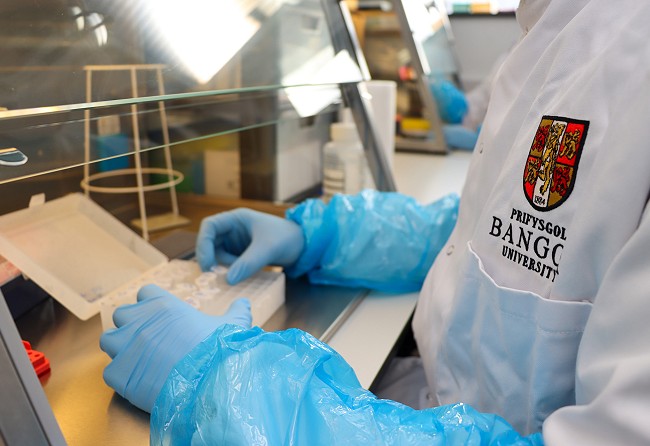
At Bangor University, the Wastewater Research Group research includes testing wastewater from hospitals, abattoirs and the wider community. By looking at these different sources, we can explore the presence of bacteria and resistance genes across different settings, helping us to better understand AMR from a One Health perspective.
A new initiative, Global Wastewater Day (GWWD), which will take place on 31 March 2027, aims to bring countries together to collect wastewater samples on the same day. The samples will be tested for a range of public and environmental health indicators, including pathogens and AMR.
With thirty-nine countries signed up to participate so far, the sampling exercise will provide a snapshot of what can be detected in wastewater across participating countries at that particular point in time. Although a single sampling day cannot provide a complete picture of AMR within a country, it offers an opportunity to compare findings internationally and build a better understanding of the information wastewater can provide.
So, as we mark World AMR Awareness Week, it is worth recognising that wastewater can play a valuable role in helping researchers better understand AMR and its connections across human, animal and environmental health.

Dr Jordan E. Sealey is an antimicrobial resistance researcher at Bangor University, specialising in a One Health perspective to understanding the epidemiology, transmission and environmental spread of antimicrobial resistance. Find out more about her work in this interview with Digital Health Hub for AMR.
Get involved in Global Wastewater Day